
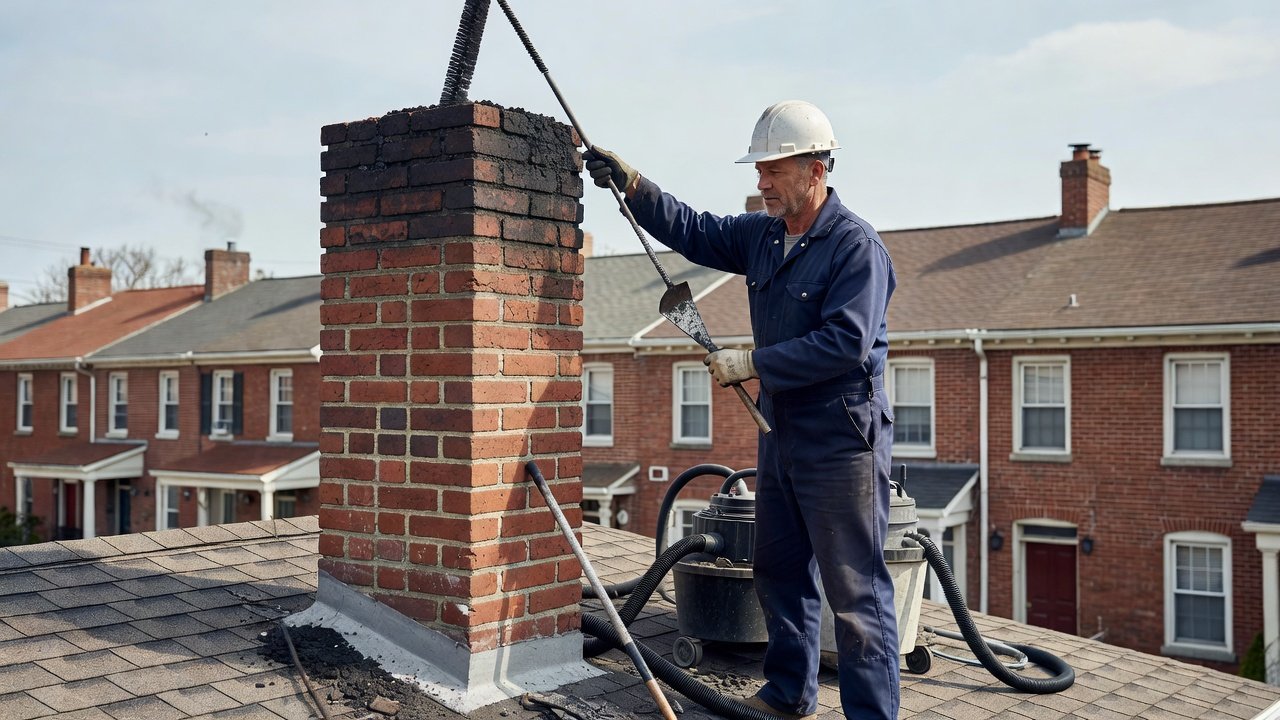
Essential Affordable Chimney Cleaning Near Me Baltimore MD: 2026 Guide for Rye, NY Residents
Does your fireplace smell like a campfire even on days you haven’t lit a single log? That’s not normal, and it’s not something to chalk up to old-house quirks. Last February, a homeowner near Milton Harbor in Rye called us after noticing a persistent smoky odor drifting through their living room every time the wind picked up outside. When our certified sweep arrived, we found a flue so clogged with stage-two creosote that airflow had essentially reversed pulling outside air in and pushing combustion gases back into the living space. The fix wasn’t complicated, but the risk of leaving it another season would have been serious.
We hear from homeowners across Rye, Port Chester, Harrison, and Mamaroneck every winter who put off chimney cleaning because they’re not sure who to trust or what it should actually cost. If you’ve been searching for affordable chimney cleaning near me Baltimore MD and landed here, you’re in the right place we’ll walk you through the real problems we diagnose, what causes them, how we fix them, and what it costs to get it done right in 2026.
Why Rye Homeowners Face Specific Chimney Risks
Rye’s housing stock skews older. Many homes in the Rye Manor and Midland Avenue corridors were built between the 1920s and 1960s, which means masonry chimneys that have seen decades of use, multiple fuel types, and varying levels of maintenance. Older clay tile liners crack. Mortar joints erode. And most of these chimneys were never designed for the lower temperature burns that modern wood inserts and gas appliances produce conditions that accelerate creosote and moisture damage faster than a roaring open fire would.
According to the National Fire Protection Association, failure to clean chimneys is the leading contributing factor in home heating fires, accounting for 31% of such fires. That’s not a distant statistic. It’s the reason we push for annual inspections before the burning season starts, not after something goes wrong.
Six Real Problems We Diagnose and How We Actually Fix Them
1. Creosote Buildup Beyond Stage One
Symptoms: Black flaking debris in the firebox, a sharp chemical smell, reduced draft, or visible tar-like coating when you shine a flashlight up the flue.
Likely cause: Low-temperature fires, green or unseasoned wood, or infrequent cleaning. Stage-two creosote is a sticky, tar-like layer. Stage three forms a hard glaze that actually constricts the flue opening.
Professional fix: A standard sweep handles stage one. Stage two requires rotary cleaning systems with specialized brushes and chemical pre-treatment. Stage three which we occasionally find in older Rye homes that were converted from oil heat sometimes requires a full relining because the glaze bonds to damaged tile. According to the CSIA, creosote becomes highly flammable at stage three and can ignite at temperatures as low as 451°F. That’s a chimney fire waiting for the right night.
Can this be prevented? Yes. Burn only seasoned hardwood, keep fires burning hot rather than smoldering, and clean annually. We catch stage-one buildup before it compounds.
2. Cracked or Displaced Flue Tiles
Symptoms: Visible debris in the firebox that looks like broken terra cotta, smoke entering the home even with good draft, or a Level 1 inspection that prompts a closer look.
Likely cause: Thermal cycling over years of use, a past chimney fire (even a small one the homeowner may not have noticed), or freeze-thaw cycles something Rye’s winters deliver reliably every year. Water enters hairline cracks, freezes, and widens the gap come spring.
Professional fix: We use a video camera during a Level 2 inspection to map every crack before recommending a repair path. Minor cracks in isolated tiles can be repaired with heat-rated refractory mortar. Widespread damage typically means relining with a stainless-steel liner the current NFPA 211-compliant standard for restored chimneys.
Can this be prevented? Partially. Annual sweeps catch early cracking before moisture gets a foothold.
3. Blocked or Deteriorated Chimney Cap and Crown
Symptoms: Water staining on the firebox back wall or smoke shelf, efflorescence (white salt deposits) on exterior masonry, or debris twigs, leaves, even a bird nest falling into the firebox.
Likely cause: A missing cap, a cracked mortar crown, or a cap that was never properly fitted. We find this frequently on homes in the Apawamis area where mature oak trees drop debris constantly.
Professional fix: Cap replacement is usually a same-day repair. Crown repairs involve chipping out the failed mortar and applying a flexible crown coat that accommodates thermal movement without cracking again. We don’t just patch we rebuild the crown slope so water sheds away from the flue opening.
Can this be prevented? A properly installed stainless steel cap with mesh sides handles both weather and wildlife. It’s one of the simplest, most cost-effective things a homeowner can do.
4. Failed or Missing Damper
Symptoms: Cold drafts in winter even when the fireplace isn’t in use, high heating bills, or a damper handle that moves but doesn’t actually seal.
Likely cause: Cast iron throat dampers corrode and warp over time. Many dampers in older Rye homes have been painted over, stuck open, or simply broken by previous occupants who didn’t know what they were handling.
Professional fix: If the throat damper is mechanically failed, we often recommend upgrading to a top-mount damper — a rubberized stainless unit that seals at the chimney top rather than at the throat. It performs better, adds an extra layer of weather protection, and costs less over time than repeated throat damper repairs.
Can this be prevented? Check your damper every fall before the first fire. It should close with clear resistance and open fully.
5. Carbon Monoxide Pathways from Draft Problems
Symptoms: Headaches after using the fireplace, CO detector alarms, or a gas insert that runs but produces a faint chemical smell.
Likely cause: Negative pressure in a tightly sealed modern home can cause backdrafting, where combustion gases spill into living space instead of exhausting up the flue. We also see this when a flue is shared between appliances that weren’t designed to coexist — something common in older homes throughout Harrison and the Port Chester border area that have been converted or renovated.
Professional fix: Diagnosis requires more than a sweep. We assess appliance sizing, flue height, and household pressure dynamics. Fixes range from adding a combustion air supply to installing a properly sized liner matched to the appliance’s BTU output. The U.S. Consumer Product Safety Commission estimates that carbon monoxide from heating equipment sends approximately 20,000 Americans to emergency rooms annually — this one demands real diagnostic work, not guesswork.
Can this be prevented? Annual inspections that go beyond a visual glance. A CSIA-certified sweep checks draft performance, not just cleanliness.
6. Spalling Masonry and Failed Mortar Joints
Symptoms: Chunks of brick face on the roof or in the gutter, visible gaps between bricks on the exterior chase, or a chimney that visually looks like it’s leaning or settling.
Likely cause: Moisture infiltration and freeze-thaw cycling. This is a slow process — typically 10 to 20 years of deferred maintenance — but it accelerates in Rye’s climate. Once mortar fails, water enters the brick itself and the deterioration compounds each winter.
Professional fix: Tuckpointing replaces eroded mortar joints before brick faces begin to spall. If spalling is already widespread, selective brick replacement and a waterproofing application extend the chimney’s life significantly. We use vapor-permeable waterproofers — not paint or sealants that trap moisture inside and make the problem worse.
Can this be prevented? Yes, with periodic exterior inspections and prompt tuckpointing when joints show early erosion. Waiting costs two to three times more.
What Affordable Chimney Cleaning Actually Costs in Rye, NY in 2026
A 2022 HomeAdvisor survey found the national average for a professional chimney sweep runs between $129 and $378, with most homeowners paying around $252. In Westchester County, expect the higher end of that range given local labor costs, but also expect more from a reputable crew — camera inspection capability, CSIA certification, and written documentation of what they found and fixed. Beware any quote under $100 for a “full cleaning and inspection.” That price point doesn’t allow time for real diagnostic work.
What to Expect When You Call Us
When a Rye homeowner calls American Chimney Company, we start with a conversation — not a sales pitch. We ask about fuel type, how often you burn, and whether you’ve noticed any symptoms. Our certified sweeps arrive with drop cloths, HEPA vacuums, camera equipment, and the tools for same-day repairs on common issues. You receive a written report with photos before we leave, and we’ll explain every finding in plain language.
We’re not a national franchise dispatching a subcontractor. We’re a chimney crew that knows what Rye’s housing stock looks like from the inside out, and we stand behind our work.
Frequently Asked Questions
How often does a chimney in Rye, NY actually need to be cleaned?
The CSIA recommends inspection and cleaning at least once per year for any chimney in regular use. In Rye, where wood-burning seasons run roughly October through March and older masonry chimneys are common, annual cleaning before the burning season is the right standard. If you burn more than three cords of wood per season, twice-yearly sweeping is worth considering.
Is a Level 2 inspection required when buying a home in Rye?
Yes. Under NFPA 211, a Level 2 inspection is required any time a home changes ownership. A standard home inspection does not substitute for this. A Level 2 includes video scanning of the full flue interior, which is the only way to identify hidden liner cracks, blockages, or structural damage before they become the new owner’s problem.
What’s the real risk of skipping chimney cleaning for one season?
One skipped season can mean stage-one creosote advancing to stage two, which requires more time and specialized equipment to remove and costs more. More seriously, any structural issue that developed over the summer (cracked tiles, failed crown, animal nesting) goes undetected until it causes a problem during use. Chimney fires and carbon monoxide incidents don’t schedule themselves conveniently. The NFPA consistently identifies chimney cleaning neglect as the top contributing factor in home heating fires.
If any of these problems sound familiar, or if you simply can’t remember the last time your chimney was inspected, reach out to us at American Chimney Company. We serve Rye and the surrounding Westchester communities with certified sweeps, honest diagnostics, and work that’s built to last. Call us or request a free estimate online because a clean chimney isn’t a luxury, it’s the reason your family stays safe all winter.
Related from American Chimney Company: Chimney Cleaning Baltimore MD · Chimney Sweep & Cleaning in Yonkers, NY · Chimney Sweep & Cleaning in Danbury, CT