
Essential Chimney Cleaning Service Atlanta GA: 2026 Guide for Mount Vernon, NY Residents
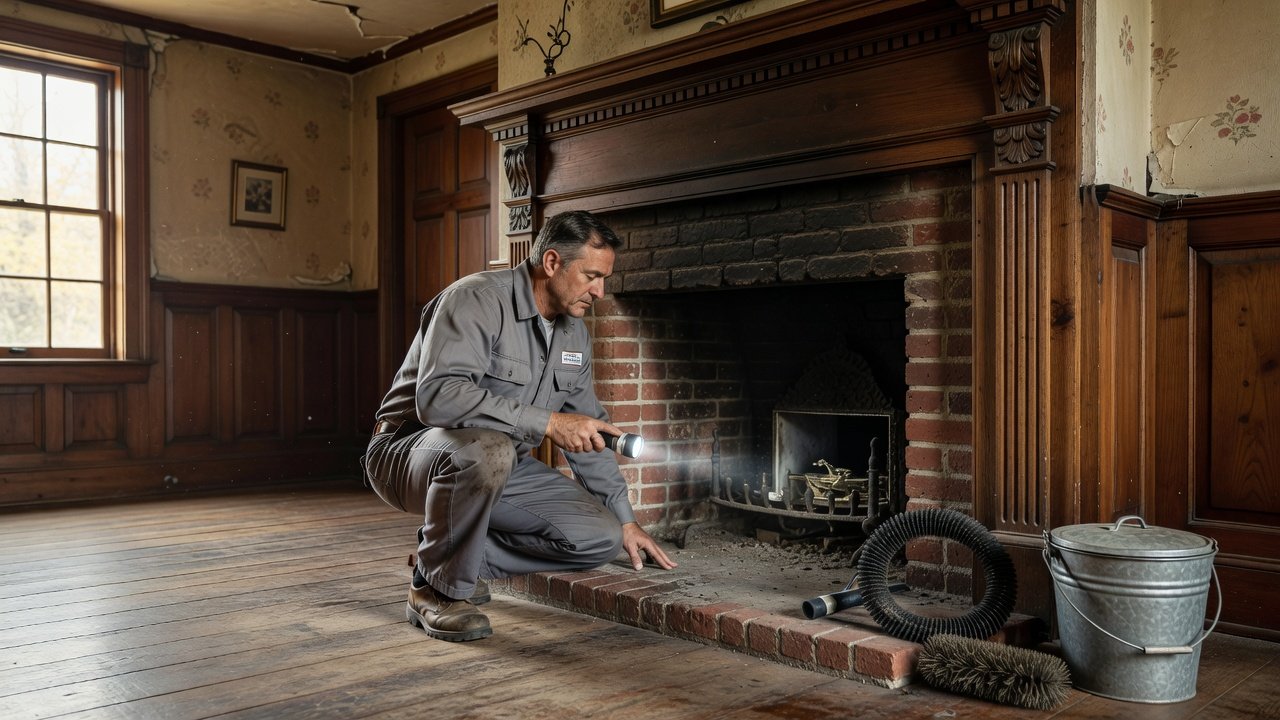
A homeowner on South Fulton Avenue in Mount Vernon called us last February, about three weeks before the coldest stretch of the year. She had noticed a sharp, acrid smell drifting through her living room whenever the heat kicked on not from the furnace, but from the fireplace she had been using almost every weekend since November. She assumed it was nothing serious. By the time we arrived, her flue had third-stage creosote coating the liner in patches, and there was a partial blockage from a collapsed terra-cotta tile she never knew had cracked. We cleaned it, documented the damage, and got her a Level 2 inspection report the same afternoon. She told us she had been putting the appointment off since September. That two-month delay nearly cost her a chimney fire.
We share that story because it is far more common than most homeowners realize, and because timing genuinely matters when it comes to a chimney cleaning service Atlanta GA or anywhere in Westchester County, for that matter. The principles that drive creosote buildup, liner deterioration, and carbon monoxide risk are the same whether you are burning oak in Mount Vernon or pine in Marietta. What changes is the local climate, the housing stock, and when in the year the risk peaks for you specifically.
Why Mount Vernon Homes Face Particular Pressure on Chimneys
Mount Vernon sits in a part of Westchester where older housing stock a lot of it built between the 1920s and the 1950s comes with original masonry fireplaces, clay tile liners, and in some cases, flue systems that were last professionally inspected before most homeowners were born. Neighborhoods like Fleetwood, Eastchester Road corridor, and the parcels along Columbus Avenue have beautiful older homes with character, but that character includes chimneys that have been patched, re-pointed, and sometimes improperly lined over the decades.
The freeze-thaw cycle here is brutal on masonry. Westchester winters routinely push temperatures below 20°F, and when water infiltrates hairline cracks in mortar joints which it will and then freezes, it expands and widens those cracks every single season. That process accelerates liner deterioration faster than burning habits alone. By the time a homeowner in the Bronxville Road area or near Gramatan Avenue notices an odor or sees smoke backing up, the underlying issue has often been developing quietly for two or three years.
The Six Problems We Actually Diagnose on Cleaning Calls and What Fixes Them
1. Heavy Creosote Buildup (Stage 2 and Stage 3)
Symptoms: A persistent smoky or tar-like smell inside the home, visible black glazing when you look up the flue with a flashlight, reduced draw when burning.
Likely cause: Slow, smoldering fires with unseasoned or mixed hardwood-softwood loads. Short burns that never bring the flue up to proper operating temperature. This is especially common in Mount Vernon homes where the fireplace is used occasionally rather than as a primary heat source, so fires never run long enough to keep the flue walls warm.
Professional fix: Rotary cleaning systems for Stage 2 buildup. Stage 3 glazed creosote requires chemical treatment we apply a creosote-modifying agent, allow dwell time, then return for a second mechanical sweep. According to the CSIA, creosote becomes highly flammable at Stage 3 and can ignite at temperatures as low as 451°F. That is not a number to take lightly.
Can it be prevented? Yes. Burn only properly seasoned hardwood (moisture content below 20%), run hot fires for at least 45 minutes per session, and schedule your cleaning annually before the burning season starts not after.
2. Cracked or Spalled Terra-Cotta Liner Tiles
Symptoms: Debris or tile fragments in the firebox after a burn, white efflorescence staining on exterior masonry, smoky smell in adjacent rooms not directly connected to the fireplace.
Likely cause: Thermal cycling over decades, combined with water infiltration from a damaged or absent chimney cap. We see this constantly in homes near the Wakefield section of Mount Vernon and in older colonials throughout the Fleetwood neighborhood.
Professional fix: A video camera scan of the full flue length during our Level 2 inspection process. Damaged sections may be restorable with HeatShield cerfractory resurfacing, or the liner may require full replacement with a stainless steel insert. NFPA 211 requires a Level 2 inspection any time there has been an event — including a chimney fire, however small that may have caused structural damage.
Can it be prevented? A properly fitted chimney cap eliminates most water intrusion. Annual inspections catch early cracking before it becomes a full tile failure.
3. Damaged or Missing Chimney Cap
Symptoms: Animals nesting in the flue (we find squirrels and raccoons in uncapped chimneys regularly), water staining at the firebox back wall, rust on the damper.
Likely cause: Original cap rusted through or blown off in a storm. Some older Mount Vernon homes were built with no cap at all.
Professional fix: Stainless steel multi-flue cap installation, sized to the exact flue dimensions. We photograph before and after. This is a same-day fix in most cases.
Can it be prevented? Stainless caps outlast galvanized ones by 15 or more years. Invest in the right material once and you largely eliminate this category of problem.
4. Deteriorated Crown and Mortar Joints
Symptoms: Visible cracking at the top of the chimney structure, white streaks running down the exterior brick, small chunks of mortar in the gutter or on the roof.
Likely cause: Normal weathering accelerated by Westchester’s freeze-thaw cycles. The crown is the most exposed concrete surface on the home and typically the first to fail.
Professional fix: For minor cracking, elastomeric crown sealant applied during a dry weather window. For significant crown damage or spalled brick, tuckpointing and partial crown rebuild. We assess this during every cleaning appointment because it directly affects water infiltration risk.
Can it be prevented? Waterproofing the crown and upper masonry with a vapor-permeable sealant every five to seven years dramatically extends the service life of the structure.
5. Blocked Flue from Animal Intrusion or Debris
Symptoms: Smoke immediately backs into the room on ignition, fireplace produces almost no draw even with the damper fully open, unusual sounds from inside the flue.
Likely cause: A bird nest, raccoon nesting material, or leaf accumulation blocking the flue throat or at a constriction point in the liner. We have pulled out full raccoon dens from chimneys in the Gramatan Avenue area it happens more than homeowners expect.
Professional fix: Manual removal followed by a thorough cleaning and cap installation to prevent re-entry. If the animals were nesting during protected seasons, we coordinate timing appropriately and document the work.
Can it be prevented? A chimney cap with mesh sides eliminates animal entry entirely. It is the single most cost-effective preventive measure we offer.
6. Carbon Monoxide Risk from a Damaged or Misaligned Damper
Symptoms: Headaches or mild nausea during or after fireplace use, CO detector alarm activating, visible rust or physical resistance when operating the damper handle.
Likely cause: A warped or rusted throat damper that no longer seals or opens fully. This is both a draft problem and a serious safety issue. The U.S. Consumer Product Safety Commission estimates that carbon monoxide poisoning from heating equipment sends approximately 20,000 Americans to emergency rooms each year and a dysfunctional damper that allows combustion gases to reenergize inside a home is a direct path to that statistic.
Professional fix: Damper inspection during cleaning. If the throat damper is beyond repair, we often recommend a top-sealing damper replacement, which doubles as a chimney cap and provides a tighter seal than most original cast-iron throat dampers. Installation is typically two to three hours.
Can it be prevented? Annual cleaning appointments include a damper check as standard. Catching rust and warping early means repair rather than replacement.
When to Book and What Waiting Actually Costs You
The honest answer is that the best time to book a chimney cleaning in Mount Vernon is late August or early September. By then, the previous burning season’s creosote has fully dried and adheres differently to the liner it is actually easier to remove before summer humidity reintroduces moisture. More practically, our schedule is open, lead times are short, and we can complete any follow-up repairs before October.
By mid-October, we are fully booked through Thanksgiving. Homeowners who call in November are often waiting two to three weeks for an appointment while they are already burning. That is exactly the window where an undetected blockage or Stage 2 creosote buildup becomes a fire risk. According to the National Fire Protection Association, failure to clean chimneys is the leading contributing factor in home heating fires, accounting for 31 percent of such incidents. Those are not distant statistics we have responded to cleanup assessments after chimney fires in homes in New Rochelle and Yonkers where the homeowner had simply not gotten around to scheduling service.
On cost: a professional chimney sweep runs between $129 and $378 nationally, with most homeowners in the Westchester area paying in the $185 to $280 range depending on flue height, accessibility, and the level of buildup we find. A chimney fire or a damaged liner requiring full replacement can cost $3,000 to $7,000 or more. The math on annual maintenance is not complicated.
What Happens When You Call Us
We start with a brief phone conversation about your fireplace type, when it was last serviced, and any symptoms you have noticed. When our certified sweep arrives, we serve Mount Vernon, Yonkers, New Rochelle, Eastchester, and surrounding Westchester communities we do a visual inspection before we light a single drop cloth. If we find something during the cleaning that warrants a full Level 2 camera inspection, we tell you clearly what we found, what it means, and what it costs to address before we proceed. No pressure, no upsell theater. The inspection report is documented and yours to keep.
The CSIA recommends that all chimneys, fireplaces, and vents be inspected at least once a year and cleaned as needed. We take that standard seriously because the consequences of ignoring it are real and preventable.
Frequently Asked Questions
How do I know if my chimney needs cleaning before I can see visible buildup?
You do not always see it before you feel it. A smoky smell in the room when the fireplace is cold, slower draw than usual when burning, or any visible black glazing on the firebox back wall are reliable early signals. In our experience serving Mount Vernon and Westchester homeowners, most Stage 2 creosote buildup is not visible from the firebox floor it requires a flashlight inspection at the flue throat or, for full confidence, a camera scan. If your chimney was last cleaned more than 12 months ago and you burned more than four or five cords of wood, schedule an inspection regardless of whether you see symptoms.
Is a chimney cleaning different from a chimney inspection, and do I need both?
They are related but distinct services. A cleaning removes creosote, debris, and blockages. An inspection classified under NFPA 211 as Level 1, 2, or 3 — evaluates the structural condition of the flue, liner, crown, cap, and firebox. A Level 1 inspection is part of every routine cleaning we perform. A Level 2 inspection, which involves a video camera scan of the full flue interior, is required any time a home is sold, after any chimney fire, or when we identify visible damage during the Level 1 check. Most homeowners doing routine annual maintenance need a cleaning plus a Level 1. If you are buying an older home in Fleetwood or Eastchester, insist on a Level 2 before closing.
We only use our fireplace a few times per year. Do we still need annual service?
Yes, and the reason is not just creosote. Infrequently used chimneys are actually more vulnerable to animal intrusion, water infiltration from an aging cap or crown, and damper corrosion none of which depend on how often you burn. We have found significant liner cracking and active animal nests in chimneys that homeowners used only two or three times the previous winter. Light use does not protect against the structural deterioration that Westchester’s climate causes year-round. Annual service takes about an hour and gives you documented proof that the system is safe before anyone lights a fire.
Schedule Your Chimney Cleaning Before Problems Start
Our team at American Chimney Company is ready to help Mount Vernon and Westchester homeowners get ahead of the fall rush. Whether you are booking your first inspection on a home you recently purchased or scheduling the annual cleaning you have been meaning to get to since last spring, we make the process straightforward and honest. Call us or request a free estimate online our certified sweeps serve Mount Vernon, Yonkers, New Rochelle, Eastchester, and the surrounding area. A one-hour appointment now is far less disruptive than the alternative.
Related from American Chimney Company: Chimney Sweep & Cleaning in Yonkers, NY · Chimney Sweep & Cleaning in Danbury, CT · Chimney Cleaning Baltimore MD
Our services
Chimney & Masonry Repair · Chimney Inspections · Chimney Sweeping & Cleaning · American Chimney Company · Chimney Waterproofing Louisville KY · Chimney Cleaning Atlanta GA
Areas we serve
Stamford, CT · White Plains, NY · Greenwich, CT · New Rochelle, NY · Norwalk, CT · Morristown, NJ · Danbury, CT · Princeton, NJ