
Essential Chimney Crown Repair Cincinnati OH: 2026 Guide for Trenton, NJ Residents
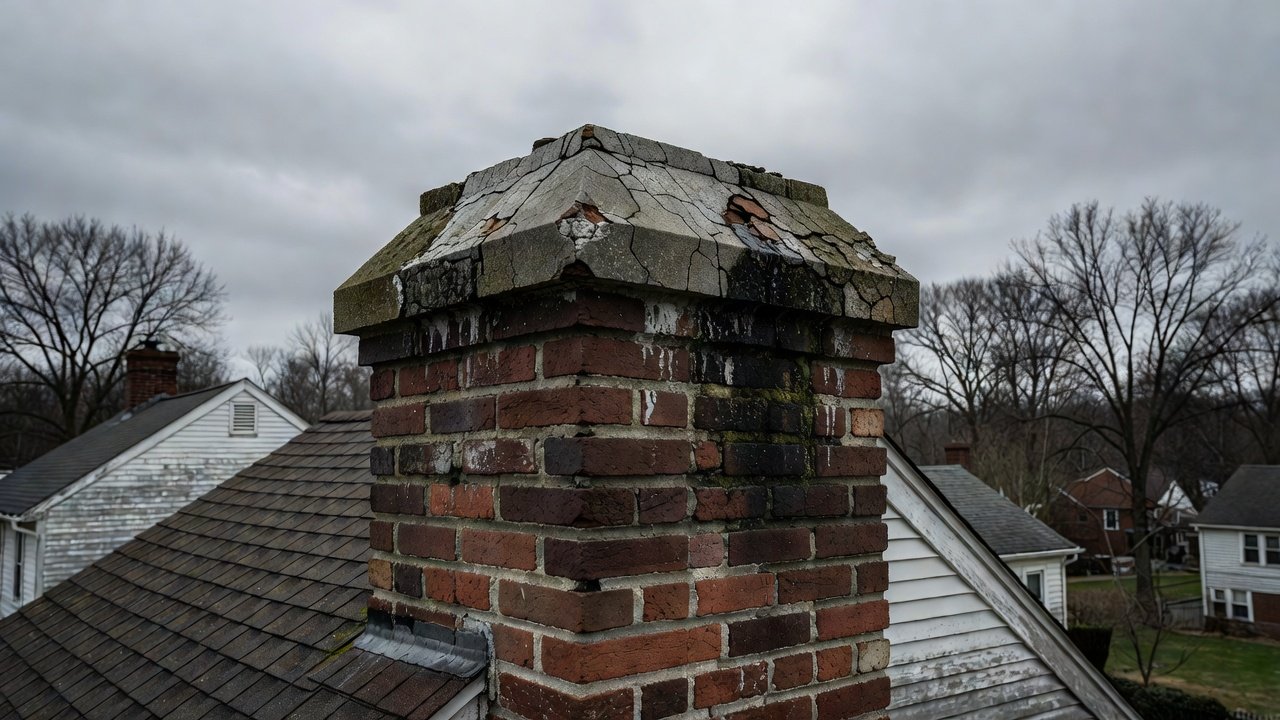
A homeowner in Chambersburg called us last February, right after a week of hard freezes. She had noticed her fireplace was pulling cold air into the living room even when the damper was closed, and there was a thin dusting of white powder along the firebox floor. She figured the fireplace just needed a cleaning. When our technician got on the roof, the chimney crown had split clean down the center water had been sitting in that crack since autumn, freezing and expanding all winter until the whole top of the chimney was compromised. What started as a preventable $250 repair had grown into a $900 job, and she was lucky the liner hadn’t been damaged yet.
We tell that story not to alarm anyone, but because it is exactly what we see every season here in Trenton, NJ and the surrounding areas. Chimney crown repair Cincinnati OH is something homeowners search when they want a reliable, expert answer and the honest truth is that the single biggest factor between a minor fix and a major rebuild is when you schedule the work. Timing matters as much as anything else with chimney crowns, and most homeowners get that timing wrong for the same few reasons.
Why Trenton’s Climate Makes Crown Damage Worse Than Average
Trenton sits in a freeze-thaw corridor that is genuinely tough on masonry. Winter temperatures regularly drop into the low 20s, and we often see ten or more freeze-thaw cycles between December and March. Every time moisture inside a crown crack freezes, it expands with roughly 2,000 pounds of force per square inch. Concrete and mortar simply were not built to absorb that repeatedly.
The Delaware River corridor funnels moisture-laden air through neighborhoods like Hiltonia and Cadwalader Heights, which means chimneys on the west side of town often see accelerated weathering compared to homes farther inland. Add in the older housing stock many Trenton homes were built in the 1920s through 1950s, and original chimney crowns were often poured thin and without proper drip edges and you have a region where annual crown inspections are not optional, they are practical necessity.
According to the Chimney Safety Institute of America, all chimneys, fireplaces, and vents should be inspected at least once a year and cleaned or repaired as needed. That recommendation was written with climates exactly like ours in mind.
The Season-by-Season Breakdown Most Homeowners Ignore
Spring (March through May): The Best Window You Have
After the last freeze, crowns that have sustained winter damage are visible and accessible. Temperatures are above freezing consistently, which matters because most crown repair materials sealants, patching mortars, and poured-crown compounds need sustained temperatures above 40°F to cure properly. Spring in Trenton checks that box and gives repairs a full summer to set before the next freeze cycle begins.
This is when our schedule fills up fastest. Homeowners in Ewing Township and Lawrence Township who call us in March or April almost always get the repair done for the lowest total cost because the damage hasn’t had another winter to compound. If you are reading this in spring, stop waiting.
Summer (June through August): Still Good, But Book Early
Summer works well for crown repair. Materials cure fast in the heat, access is easy, and roofing and chimney crews have good working conditions. The catch is availability. By July, our crews are booked two to three weeks out because every homeowner who missed spring is calling at the same time. You can absolutely get quality work done in summer, but call early in the season rather than waiting until August when back-to-school schedules are distracting everyone.
One mistake we see in summer is homeowners DIY-patching a crown with whatever concrete crack filler is on the shelf at the hardware store. Those products are not formulated for the thermal movement a chimney crown experiences. We have rebuilt crowns in Pennington and Yardville that were patched with the wrong material, only to have the patch fail in the first hard freeze and take a chunk of the original crown with it.
Fall (September through November): The Most Common Mistake
This is where most homeowners go wrong. Fall feels like the obvious time to prepare the fireplace for winter and it is a good time to schedule a sweep and inspection. But it is the worst possible time to discover a crown needs significant repair and then delay it by even a few weeks.
Many crown repair materials need five to seven days of above-freezing temperatures to cure fully. Once Trenton dips into consistent overnight lows in the 30s, which typically happens in mid-to-late October, a poured or patched crown that has not had time to cure is vulnerable. We can still do repairs in October, and often do, but there is a tighter window and more urgency around timing the work between weather systems.
The National Fire Protection Association notes that failure to clean and maintain chimneys is a leading contributing factor in home heating fires. A crown in poor condition allows water into the flue, which accelerates liner deterioration and a damaged liner is a fire hazard, not just a comfort issue.
Winter (December through February): When Waiting Becomes Expensive
We get calls from Hamilton homeowners in January asking if we can patch a chimney crown that is visibly cracked and leaking. The honest answer is that emergency repairs in winter are possible but limited. We cannot apply standard crown coatings when temperatures are at or below freezing. What we can do is assess the damage and apply a temporary weatherproofing barrier to protect the flue until spring but that temporary fix costs money that could have gone toward the actual repair if the homeowner had called six months earlier.
The U.S. Consumer Product Safety Commission estimates that carbon monoxide poisoning from heating equipment, including fireplaces and chimneys, sends approximately 20,000 Americans to emergency rooms annually. A crown that has let water penetrate the flue system through an entire winter may have caused liner damage that creates exactly that risk. Waiting until January to address a September problem compounds costs and safety concerns.
The Common Mistakes We See and What to Do Instead
The first mistake is assuming a small crack is cosmetic. Crown cracks do not stay small. Moisture and freeze-thaw cycles turn hairline cracks into structural splits in a single winter. Have any crack evaluated before the cold season.
The second mistake is skipping the annual inspection and only calling us when something is visibly wrong. Under NFPA 211, a Level 1 inspection covers accessible portions of the chimney exterior, which includes the crown. Catching a weak crown at inspection costs nothing extra; catching it after it has allowed water damage to the smoke chamber costs significantly more.
The third mistake is hiring a general roofer to patch a chimney crown. Roofing contractors understand shingles. Chimney crowns require knowledge of masonry expansion rates, proper overhang and drip edge construction, and flue clearances. Our certified sweeps carry CSIA credentials and understand how the crown interacts with every other component of the chimney system.
What to Expect When You Call Our Team
When you reach out to us, we will ask a few quick questions about when you last had the chimney inspected and whether you have noticed any staining, efflorescence, or mortar debris near the firebox. We will schedule a Level 1 or Level 2 inspection based on your situation. If crown repair is needed, we give you a written estimate before any work begins and explain exactly what materials we are using and why. Most residential crown repairs in the Trenton area run between $200 and $650 depending on crown size and damage extent, consistent with current regional pricing benchmarks.
Frequently Asked Questions About Chimney Crown Repair in Trenton, NJ
How do I know if my chimney crown needs repair versus a full replacement?
A crown with hairline surface cracks and no structural separation can usually be sealed and coated. A crown with large gaps, missing sections, or damage that has allowed water into the flue system typically needs full removal and repour. Our technicians assess this during inspection and show you photos from the roof so you can see exactly what we are looking at before we recommend anything.
Can I use my fireplace while the crown is cracked?
A cracked crown does not automatically make the fireplace unsafe to use in the short term, but it does mean water is likely entering the flue system each time it rains. Over time, that moisture deteriorates the liner and mortar joints, which can create real fire and carbon monoxide risks. We recommend having any crack evaluated before the heating season begins rather than using the fireplace and hoping the damage is not progressing.
What is the best month to schedule chimney crown repair in Trenton, NJ?
April and May are consistently our best months for crown repair in this area. Temperatures are stable above 40°F, repair materials cure fully before summer humidity sets in, and you are not competing with the fall rush. If you missed spring, early June is still excellent. The window narrows significantly after mid-October when overnight temperatures begin dropping below freezing regularly in the Trenton region.
Schedule Your Trenton Chimney Crown Inspection
If your chimney crown has not been inspected this year, or if you noticed any cracking, white staining, or debris near your firebox over the winter, reach out to our team at American Chimney Company today. We serve homeowners throughout Trenton, Ewing Township, Hamilton, Lawrence Township, and the surrounding communities, and we are CSIA-certified to handle everything from a routine inspection to a complete crown rebuild. Call us or request a free estimate online the best time to deal with a chimney crown problem is before the next freeze, and that window is always closer than it looks.
Related from American Chimney Company: Chimney Cap & Crown Repair in Norwalk, CT · Chimney & Masonry Repair in White Plains, NY · Chimney Waterproofing & Leak Repair in Morristown, NJ