
Essential Chimney Inspection Near Me Charlotte NC: 2026 Guide for New Canaan, CT Residents
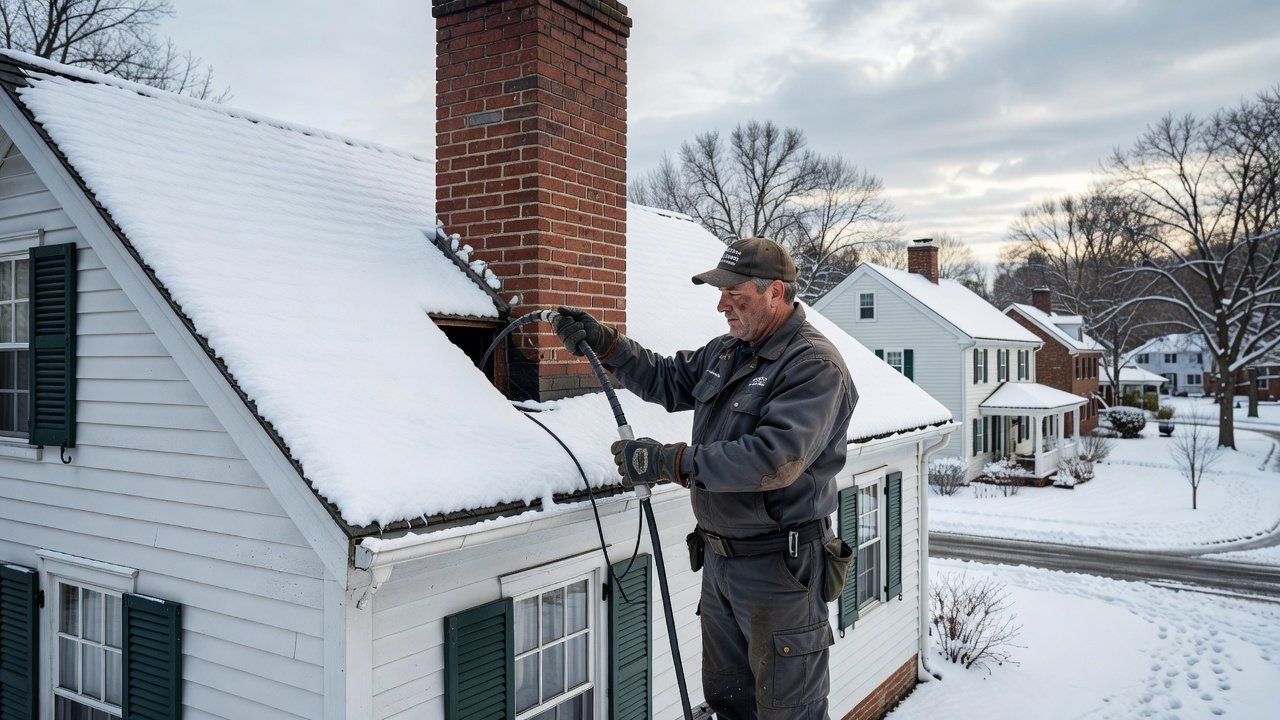
Most homeowners search “chimney inspection near me” and assume the results will be more or less interchangeable a technician shows up, pokes around for twenty minutes, and hands you a receipt. That assumption is where things go wrong. A real chimney inspection, done properly, looks nothing like that. It takes time, it turns up problems you didn’t know existed, and it requires someone who understands exactly what they’re looking at inside a flue that may be forty or fifty years old.
Last January, a homeowner on Lakeview Avenue in New Canaan called us after noticing a persistent smoky odor in their living room not just when the fireplace was lit, but on cold mornings when the house had been closed up overnight. They’d had what they thought was a chimney inspection two years prior. What they’d actually had was a cursory visual check from the firebox opening. Nobody had looked at the liner. Nobody had scoped the flue. By the time our certified sweep finished a proper inspection, we’d found a cracked terra-cotta liner section in the upper flue, a partially collapsed smoke shelf, and stage-two creosote coating that explained the odor on its own.
That story isn’t unusual in Connecticut. Older colonial homes throughout New Canaan, Darien, Wilton, and Pound Ridge carry masonry chimneys that were built for coal or converted from oil decades ago. They age quietly. The problems don’t announce themselves until something goes wrong.
What a Proper Chimney Inspection Actually Involves
We follow the three-level inspection framework defined by NFPA 211, the national standard for chimneys, fireplaces, vents, and solid fuel-burning appliances. A Level 1 inspection covers the accessible parts of the chimney firebox, damper, exterior crown, and visible flue sections. A Level 2 inspection adds a camera scan of the full flue interior and is required any time a home changes hands or after any event that could have stressed the structure, including a chimney fire. A Level 3 involves removal of components to access areas that can’t be reached otherwise.
Most homeowners in New Canaan need at least a Level 2. The housing stock here skews older, many chimneys serve gas inserts that were retrofitted into masonry systems not originally designed for them, and Connecticut’s freeze-thaw cycle is hard on mortar and crowns year after year. A camera scan is not optional if you actually want to know what’s in your flue.
The CSIA recommends that all chimneys, fireplaces, and vents be inspected at least once a year and cleaned as needed to reduce fire and carbon monoxide risks. That’s not a sales pitch it’s the standard our industry is built around, and it exists because the consequences of skipping it are documented and serious.
Six Problems We Actually Find, and How We Diagnose and Fix Them
1. Cracked or Spalled Flue Liner
Symptoms: Smoke smell in the house even when the fireplace isn’t in use, visible white efflorescence on the exterior chimney, or soot deposits on the wall near the firebox.
Likely cause: Thermal cycling over many winters causes terra-cotta liner sections to crack at the mortar joints. Gas inserts can accelerate this because they produce acidic condensate the liner wasn’t designed to handle.
How we fix it: We run a camera through the full flue to map every crack and joint separation. Depending on severity, the repair is either a stainless steel liner relining or a brushed-in ceramic repair system for minor cracking. Partial replacement of individual flue tiles is possible but only where access permits. We document the damage with timestamped photos so you have a record.
Can it be prevented? Annual inspections catch early cracking before it becomes a structural problem. A chimney cap in good condition also limits water intrusion, which is the main driver of freeze-thaw spalling in Fairfield County winters.
2. Stage-Two or Stage-Three Creosote Buildup
Symptoms: A strong tar or acrid smell, a sticky or glazed surface visible inside the firebox opening, reduced draft, or a fire that seems to burn poorly regardless of wood quality.
Likely cause: Burning unseasoned wood is the primary driver. Low-temperature fires keeping the damper barely open to “stretch” a fire produce the most creosote per cord. Chimneys on exterior walls, which are common in New Canaan colonials, run cooler than interior chimneys and deposit creosote faster.
How we fix it: Stage-one buildup clears with a standard rotary brush sweep. Stage-two requires a more aggressive chemical treatment combined with heavy mechanical brushing, sometimes across multiple visits. Stage-three glazed creosote requires a chemical rotary system a rigid spinning brush head loaded with chemical agent run repeatedly until the glaze softens enough to be cleared. We don’t recommend burning a fireplace with stage-two or beyond in place. According to the CSIA, creosote becomes highly flammable at stage-three buildup and can ignite at temperatures as low as 451°F.
Can it be prevented? Burn only seasoned hardwood with moisture content below 20%, keep the damper fully open, and have the flue swept annually. A moisture meter costs under thirty dollars and eliminates the guesswork.
3. Deteriorated or Missing Chimney Cap
Symptoms: Water dripping into the firebox, animal noises or debris in the flue, or accelerated crown cracking.
Likely cause: Galvanized caps installed more than ten years ago corrode through. Masonry caps without a metal component crack under freeze-thaw pressure. Some homes in the Silvermine and South Wilton areas we serve have original 1960s chimneys with no cap at all.
How we fix it: We measure the flue opening and install a stainless steel or copper cap with a mesh skirt sized to the liner. If the crown is cracked, we apply a flexible elastomeric crown sealer before capping. The repair typically takes under an hour and extends liner life significantly by keeping water and wildlife out.
Can it be prevented? Stainless steel caps carry lifetime warranties on most models. Install one once, inspect it annually, and it’s essentially a solved problem.
4. Damaged or Stuck Damper
Symptoms: Difficulty opening or closing the damper, cold drafts when the fireplace is not in use, heat loss noticeable near the hearth.
Likely cause: Throat dampers the cast-iron plate above the firebox warp from heat exposure over time and corrode badly in humid climates. In a house near the Mead Memorial Park area, we found a damper that had been physically propped open with a brick because the homeowner couldn’t close it.
How we fix it: If the damper plate is warped but the frame is sound, we replace the plate. If the frame has corroded through, we cap the throat and install a top-mounted damper at the flue crown this seal tighter, last longer, and also serve as a chimney cap.
Can it be prevented? Top-mounted dampers outperform throat dampers in longevity. If you’re replacing a throat damper anyway, upgrading makes sense and eliminates the problem category entirely.
5. Mortar Joint Erosion and Spalling Brick
Symptoms: Loose or crumbling mortar visible on the exterior, brick faces flaking off, white staining on the chimney exterior, or small brick or mortar pieces found on the roof or in the firebox.
Likely cause: Connecticut averages around 35–40 freeze-thaw cycles per year. Water penetrates mortar joints, freezes, expands, and the cycle repeats until the joint fails. South-facing chimney faces weather faster because snow melts and refreezes on them repeatedly.
How we fix it: We chisel out deteriorated mortar to a depth of at least 3/4 inch and repoint with a Type N or Type S mortar appropriate to the original masonry. Spalled bricks that have lost structural integrity get replaced. We follow up with a silane-siloxane water repellent rated for masonry not a sealer that traps moisture, which makes the problem worse.
Can it be prevented? A good chimney cap and annual inspection catch joint erosion early, when repointing is a modest repair rather than a full rebuild.
6. Carbon Monoxide Pathway Through a Compromised Flue
Symptoms: CO detector alarms, unexplained headaches or fatigue when the heating appliance is running, or a technician finding negative draft conditions during inspection.
Likely cause: A cracked liner or improperly connected gas appliance allows combustion gases to migrate into living space rather than exhausting cleanly. This is the highest-stakes finding we make. The U.S. Consumer Product Safety Commission estimates that carbon monoxide poisoning from heating equipment sends approximately 20,000 Americans to emergency rooms annually.
How we fix it: We identify the breach point using camera inspection and combustion gas testing, then repair or reline the flue and verify the appliance connection and draft before considering the system safe to use. We will not clear a chimney for use until draft testing confirms gases are exhausting correctly.
Can it be prevented? A functioning CO detector on every level of the home is the minimum safety baseline. Annual inspection of the full venting system not just the firebox is what prevents the underlying problem.
What to Expect When You Call Us
We schedule most inspections in New Canaan within three to five business days. Our technician arrives in a marked vehicle, walks you through what we’ll be doing before we start, and photographs every finding — crown, cap, liner, firebox, exterior masonry so you can see exactly what we see. We don’t pressure you into repairs on the spot. We explain what’s urgent, what can wait, and what’s fine for now, and we leave you a written report you can share with your insurance company or real estate agent if needed.
Inspection pricing in 2026 typically runs between $150 and $350 for a Level 1 or Level 2 depending on chimney height, flue configuration, and scope. A 2022 HomeAdvisor survey found the national average for a professional chimney sweep runs around $252 our pricing in Fairfield County reflects local market rates and the time a thorough inspection actually takes.
Frequently Asked Questions
How do I know if I need a chimney inspection or just a cleaning?
In most cases, you need both, but the inspection comes first. A cleaning without an inspection tells you the flue is clean but doesn’t tell you whether the liner is intact, the damper seals properly, or the crown is keeping water out. We run the inspection first, so we understand the full condition of the system before we put a brush in the flue. If cleaning is needed, we do it the same visit.
My home in New Canaan has a gas fireplace insert. Do I still need an annual chimney inspection?
Yes, and this is one of the most common misconceptions we encounter. Gas inserts vent through the original masonry flue in older New Canaan homes, and that flue still accumulates acidic condensate, still experiences freeze-thaw stress on the liner, and still needs to be verified clear of obstructions and cracks annually. Gas appliances don’t eliminate chimney maintenance they change what we’re looking for, but not whether we need to look.
We’re buying a home in New Canaan. Does the general home inspection cover the chimney?
A general home inspector will note obvious visible issues a missing cap, exterior spalling, a damper that won’t open but they are not equipped to evaluate the flue liner, which is where the most consequential problems hide. NFPA 211 requires a Level 2 inspection any time a home is sold. We recommend scheduling a dedicated chimney inspection as part of your due diligence, separate from the general home inspection, before you close. We work with buyers and real estate agents throughout Fairfield County regularly.
Schedule Your Inspection with American Chimney Company
If you’re searching for a chimney inspection near you in New Canaan, CT whether you’ve been in the house for thirty years or you’re closing on one next month our certified sweeps are ready to give you a clear, honest picture of what you have. We serve New Canaan, Darien, Wilton, Pound Ridge, and surrounding Fairfield County communities, and we put every finding in writing. Call us or request an estimate online, and we’ll have someone out to you within the week. No pressure. No upsells. Just an accurate assessment of whether your chimney is safe to use.
Related from American Chimney Company: Chimney Inspection Charlotte NC — Know What You’re Dealing With Before · Chimney Inspection (Level 1 & 2) in Stamford, CT · Chimney Sweep, Inspection & Repair in Ossining, NY